Yoga & Ayurveda: How the asanas balance your doshas
By Christophe Barrios

In a world where chronic stress and energetic imbalances increasingly affect our health, Ayurveda and yoga offer age-old tools for restoring inner harmony.
This article explores in depth how yoga postures (asanas) influence the nadis and chakras, the subtle energy systems described in the Vedic texts. We will dive into Ayurvedic principles, linking these practices to physical, mental and spiritual health, while bringing in modern scientific insights for a complete understanding.
Whether you are an experienced practitioner or simply curious, this article will guide you towards a practical application of this age-old wisdom.
The Ayurvedic Foundations of Yoga: Beyond the Physical
Ayurveda, often called the "science of life", sees the human body as a microcosm interconnected with the universe. At the heart of this vision is the concept of prana, the vital energy that animates every living being.
According to classical texts such as the Charaka Samhita and the Sushruta Samhita, prana flows through a network of 72,000 nadis, subtle channels similar to energy meridians. These nadis converge in seven main chakras, vortex-like energy centres aligned along the spine, which influence both physiological functions and psychological states.
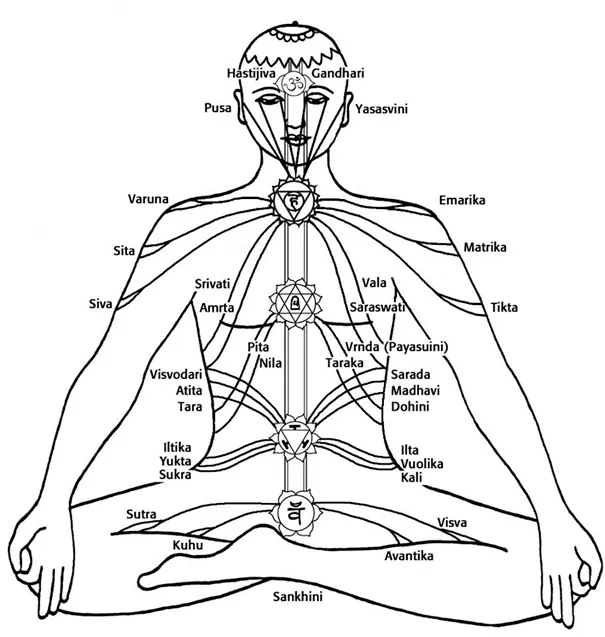
Unlike the Western perception of yoga as a simple fitness exercise, the ancient yogis – influenced by Ayurveda – conceived of the asanas as a spiritual technology for awakening Kundalini, the dormant energy at the base of the spine.
The Hatha Yoga Pradipika (1.17) states: "When the nadis are purified, the breath flows freely and the mind becomes calm." This purification is essential in Ayurveda for balancing the three doshas (Vata, Pitta and Kapha), which govern biological processes. An imbalance of the doshas can lead to problems such as anxiety (excess Vata), inflammation (high Pitta) or lethargy (stagnant Kapha). The asanas act as a kind of "pranic physiotherapy", reorganising the body's energetic geometry to clear blockages (granthis) and encourage a smooth flow of prana.
Scientific studies support these effects: research published in 2022 showed that regular yoga practice decreases sympathetic activity (linked to stress) and improves parasympathetic activity, thus promoting autonomic balance and reducing stress.
Another study from 2023 highlights the role of yoga in reducing inflammation and maintaining neurotransmitter balance, in line with the Ayurvedic principles of dosha harmony.
The Three Main Nadis: The Master Pathways of Energy
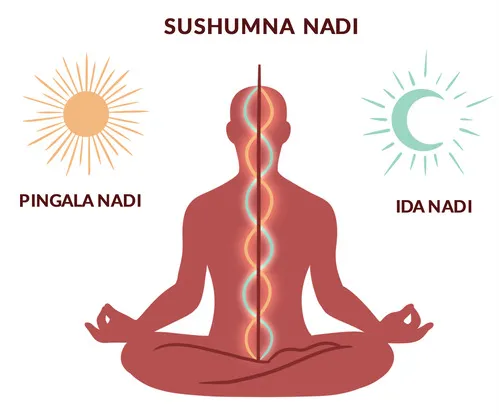
In Ayurveda, the nadis are compared to rivers carrying prana, and three of them are central to yoga practice:
- Ida: Located to the left of the spine, this lunar nadi is associated with feminine, cooling and calming energy. It influences the right side of the brain, encouraging intuition and creativity. In Ayurvedic terms, Ida balances Vata and Kapha, helping to soothe nervous and emotional disorders.
- Pingala: On the right, this solar nadi is linked to masculine, heating and dynamic energy. It activates the left side of the brain, stimulating action and logic. It regulates Pitta, strengthening digestion and vitality, but an excess can cause irritability.
- Sushumna : The central channel, considered the royal road to awakening. When Ida and Pingala are balanced through the asanas, Kundalini can rise through Sushumna, leading to a state of samadhi (divine union). This corresponds to the perfect balance of the doshas in Ayurveda, promoting optimal health.
Blockages in these nadis show up as fatigue, anxiety or a feeling of disconnection – common signs in Ayurveda of stagnant prana. By twisting, stretching and inverting the body, the asanas act as adjustments that restore the flow, much as Chinese acupuncture releases qi.
How the Asanas Work: Purifying and Activating the Chakras
The asanas are not random; each one targets specific chakras, influencing the associated organs, emotions and doshas. Here is a detailed look at a few key postures, with their Ayurvedic and scientific benefits:
Tadasana (Mountain Pose)
This foundational posture aligns the spine, activating Sushumna and grounding Muladhara (the root chakra), linked to Kapha and stability. In Ayurveda, it strengthens bones and muscles, reduces Vata anxiety and improves posture for better pranic circulation. Practised standing with the feet firmly grounded, it symbolises being rooted in the earth. Studies show that stable postures such as Tadasana improve heart rate variability, a sign of better autonomic balance.

Tadasana
Bhujangasana
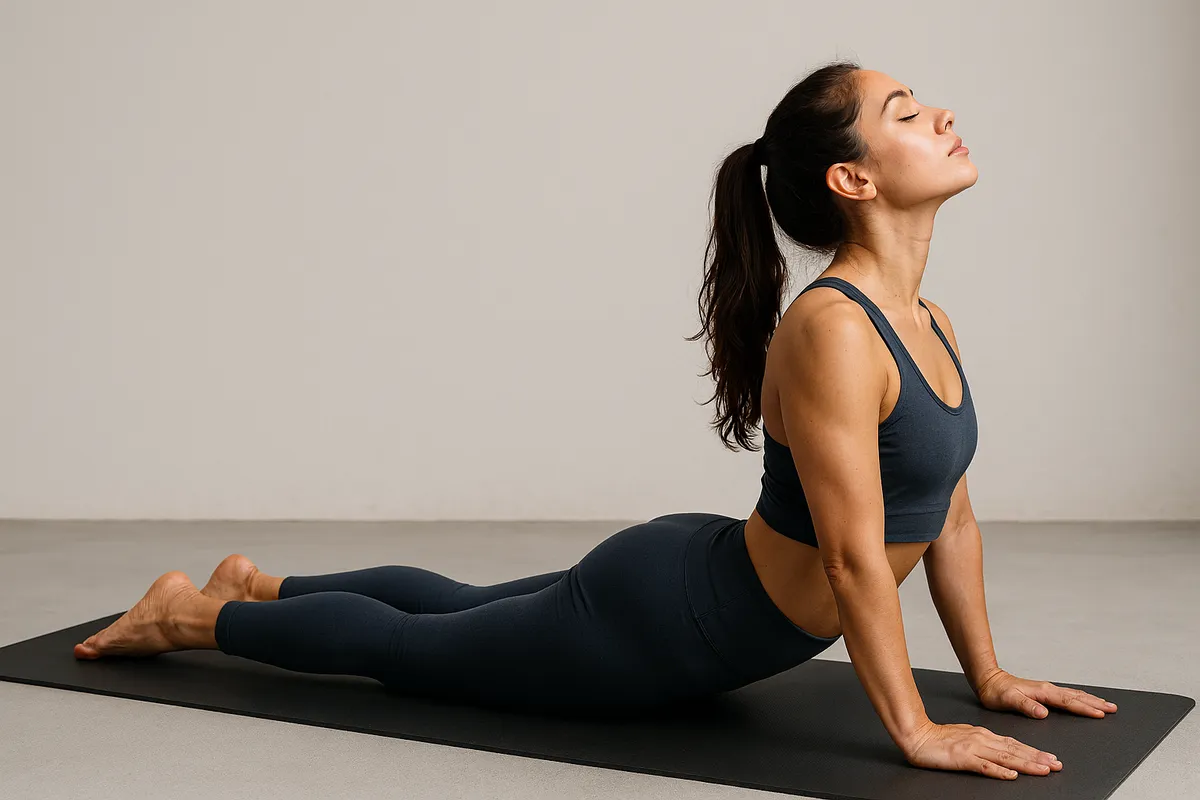
Bhujangasana (Cobra Pose)
By opening the chest and stretching the abdomen, it stimulates Manipura (the solar plexus chakra), which governs Pitta and the digestive fire (agni). In Ayurvedic terms, it boosts digestion, strengthens willpower and fights fatigue. It is ideal for Pitta-dominant people with gastrointestinal problems. A 2017 review confirms that yoga shifts the autonomic balance towards vagal tone, reducing digestive stress.
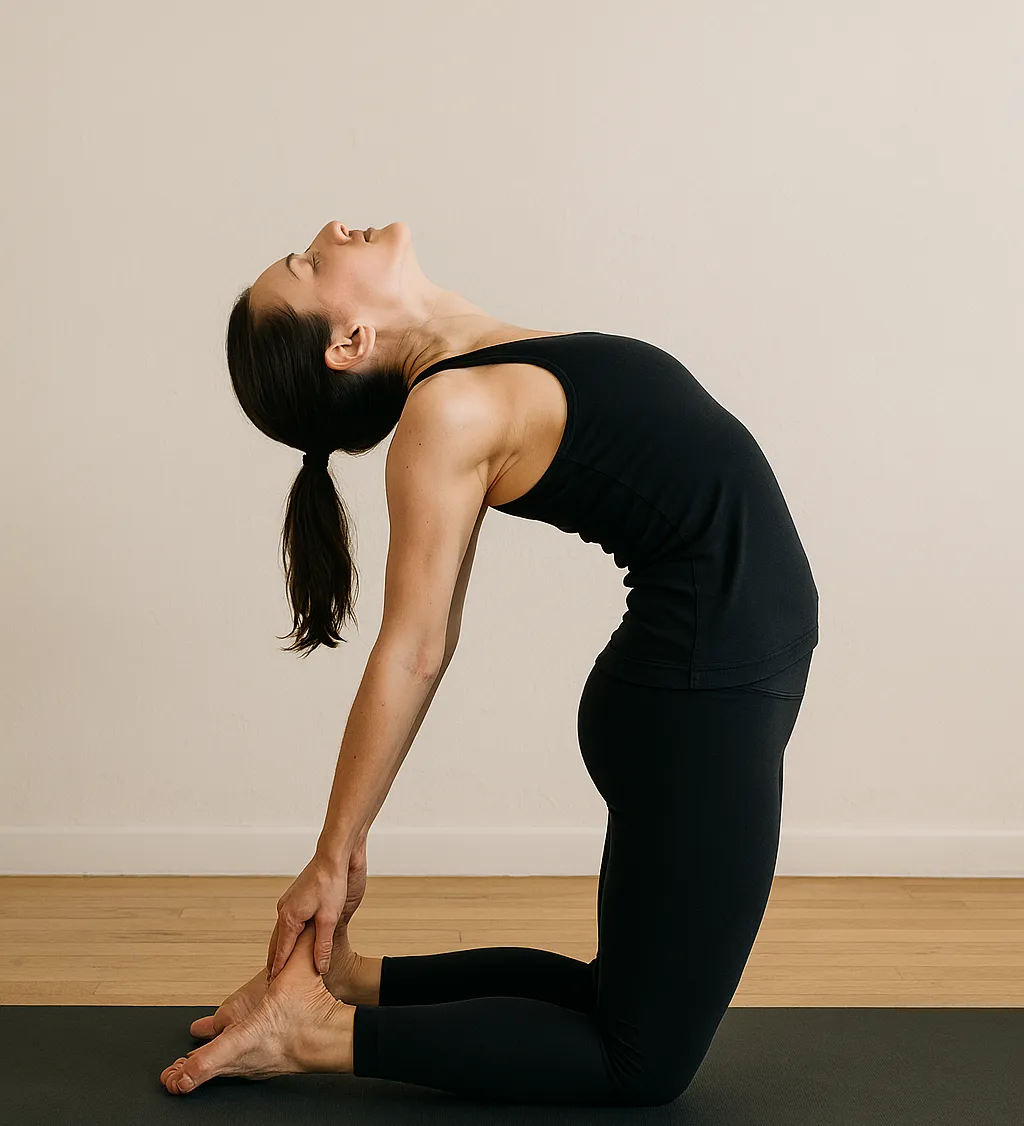
Ustrasana (Camel Pose)
This backbend opens Anahata (the heart chakra), releasing emotional blockages and encouraging compassion. In Ayurveda, it balances Vata in the chest, improves breathing and relieves heart problems. It is recommended to counter emotional stress, with anti-inflammatory effects shown by studies on yoga and neurotransmitters.
Ustrasana
Sarvangasana
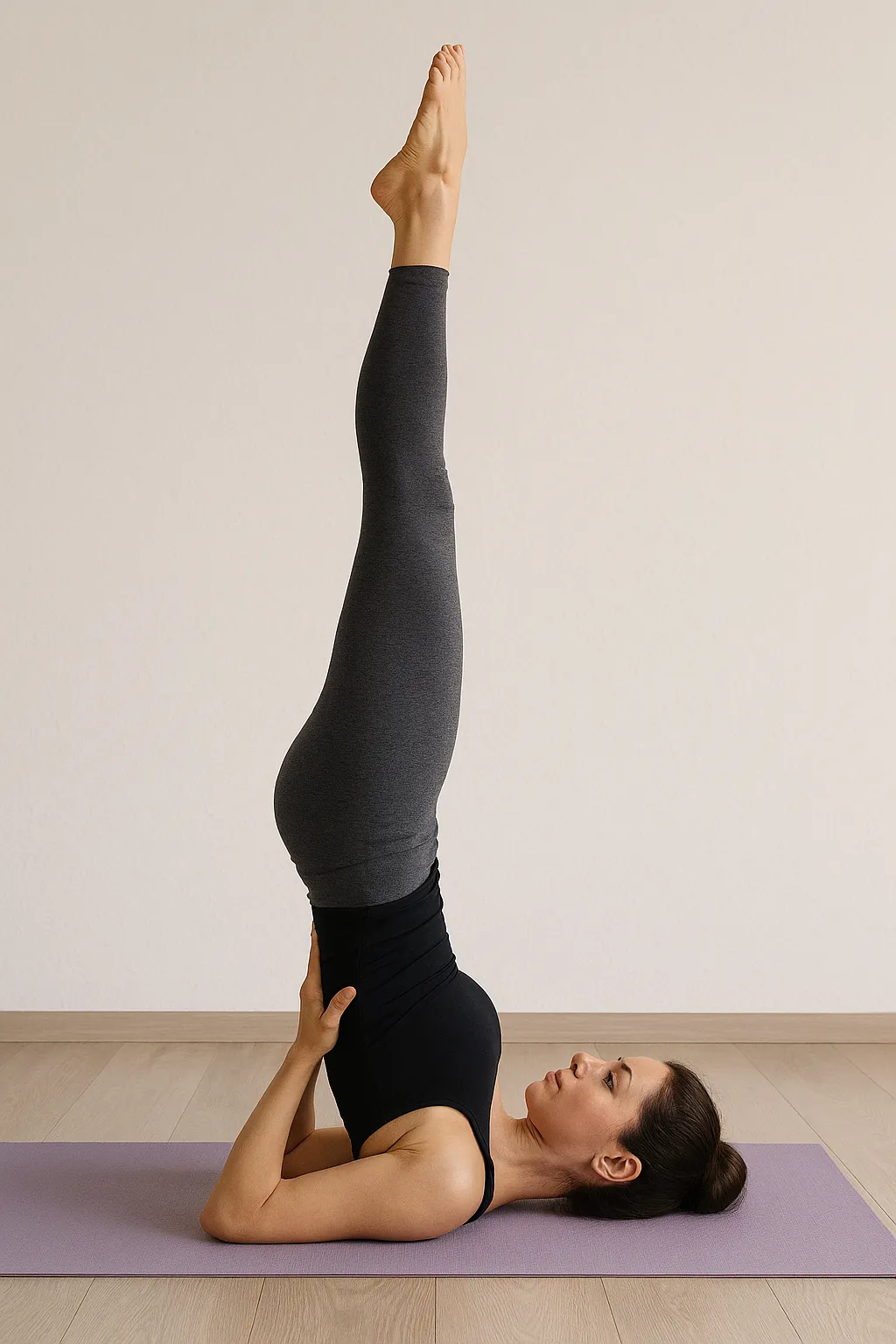
Sarvangasana (Shoulder Stand)
By reversing gravity, it purifies Vishuddha (the throat chakra), improving communication and expression. In Ayurvedic terms, it stimulates the thyroid (linked to Pitta) and drains lymphatic toxins. Research indicates that inversions such as this one lower blood pressure and stress through parasympathetic activation.
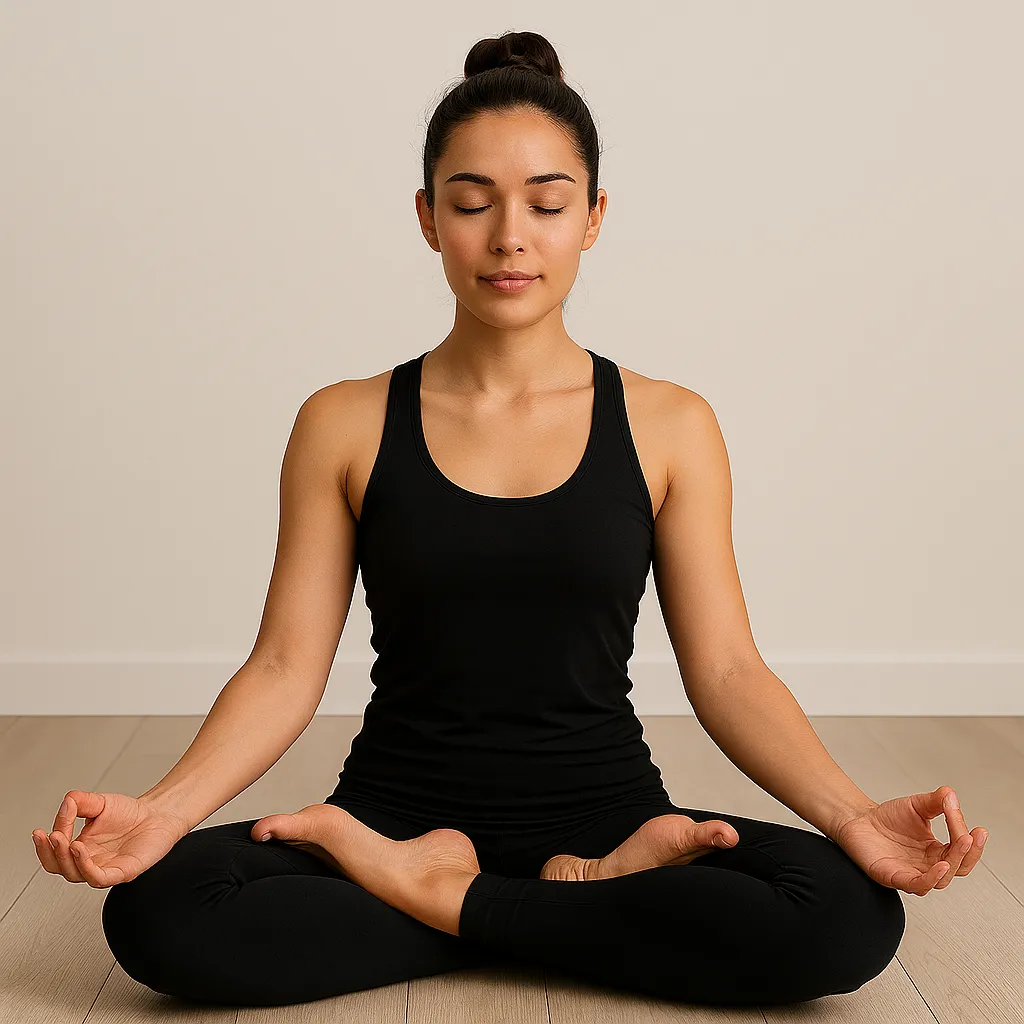
Padmasana (Lotus Pose)
Harmonising Ajna (the third-eye chakra), it aligns the brain hemispheres for deep meditation. In Ayurveda, it calms mental Vata, encouraging clarity and intuition. Ideal for neurological disorders, with benefits on heart rate variability confirmed by science.
Padmasana
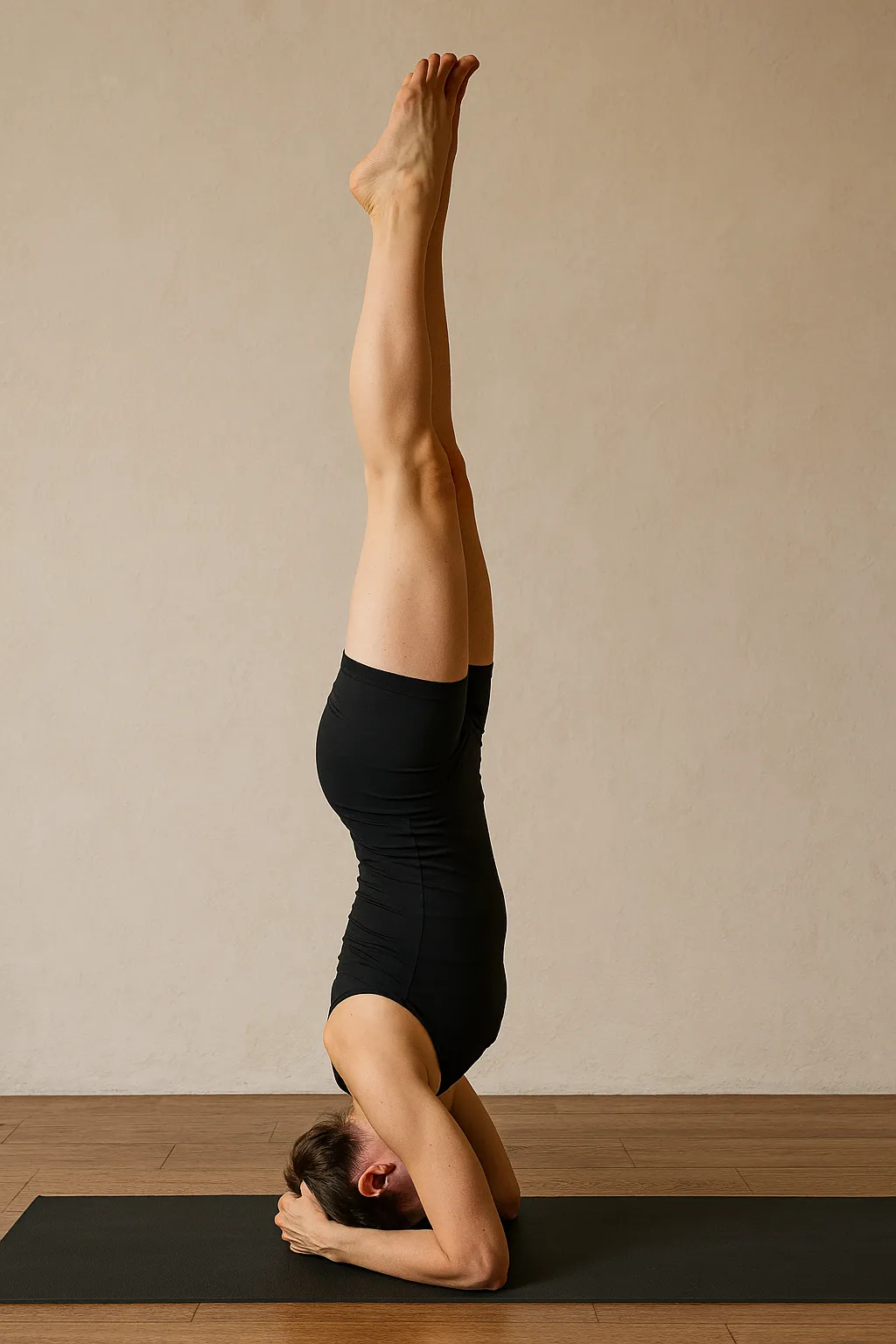
Sirsasana
Sirsasana (Headstand)
Activating Sahasrara (the crown chakra), it reverses the blood flow for spiritual clarity. In Ayurvedic terms, it nourishes the brain and balances all the doshas, but should be practised with caution. Studies show cognitive improvements and reduced stress in practitioners.
The Yogic Sequence in Ayurveda: From Asana to Awakening
Yoga does not stand alone; it follows a progression:
Asana (posture) → Pranayama (breath control) → Dhyana (meditation) → Samadhi (union).
The Yoga Sutra (2.46) teaches: "Sthiram sukham asanam" – a posture should be steady and comfortable.
In Ayurveda, build this into a daily routine suited to your prakriti (constitution): for example, calm asanas for Vata and dynamic ones for Kapha. Combine with Ayurvedic herbs such as ashwagandha to amplify the anti-stress effects.
Conclusion: Bring These Practices into Your Life for Radiant Health
Seen through the Ayurvedic lens, the asanas go beyond the physical to touch the energetic essence of the being. By purifying the nadis and activating the chakras, they restore the balance of the doshas, reduce stress and promote holistic health – benefits confirmed by modern science.
Start with a regular practice, consult an Ayurvedic practitioner for a personalised approach, and observe the transformation. To go further, explore the Hatha Yoga Pradipika or join our online community .
Would you like to bring yoga and Ayurveda into your daily life with personalised support? Françoise Barrios offers Ayurvedic consultations in Geneva to identify your constitution and guide you towards balance.