Shodhana vs Shamana: The Two Pillars of Ayurvedic Healing
By Françoise Barrios
Dive into the Ancient Art of Ayurveda for Holistic Health
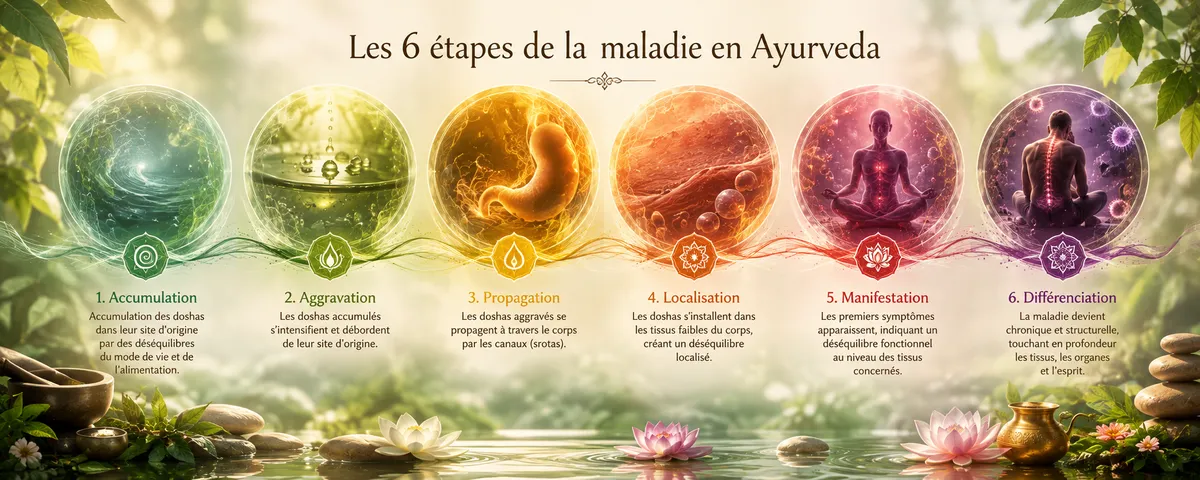
Ayurveda, often called "the science of life", is an Indian medical tradition that has existed for more than 5,000 years. Unlike a modern approach that often treats symptoms in a standardised way, Ayurveda considers each person as unique. Among its most powerful tools, two concepts stand out: Shodhana and Shamana. These two approaches offer different paths to healing, suited to your state of health and your needs. Whether you are a beginner or simply curious, this article tells you everything you need to know to begin your journey towards natural well-being.
Shodhana: Deep Purification for Total Renewal
What is Shodhana?
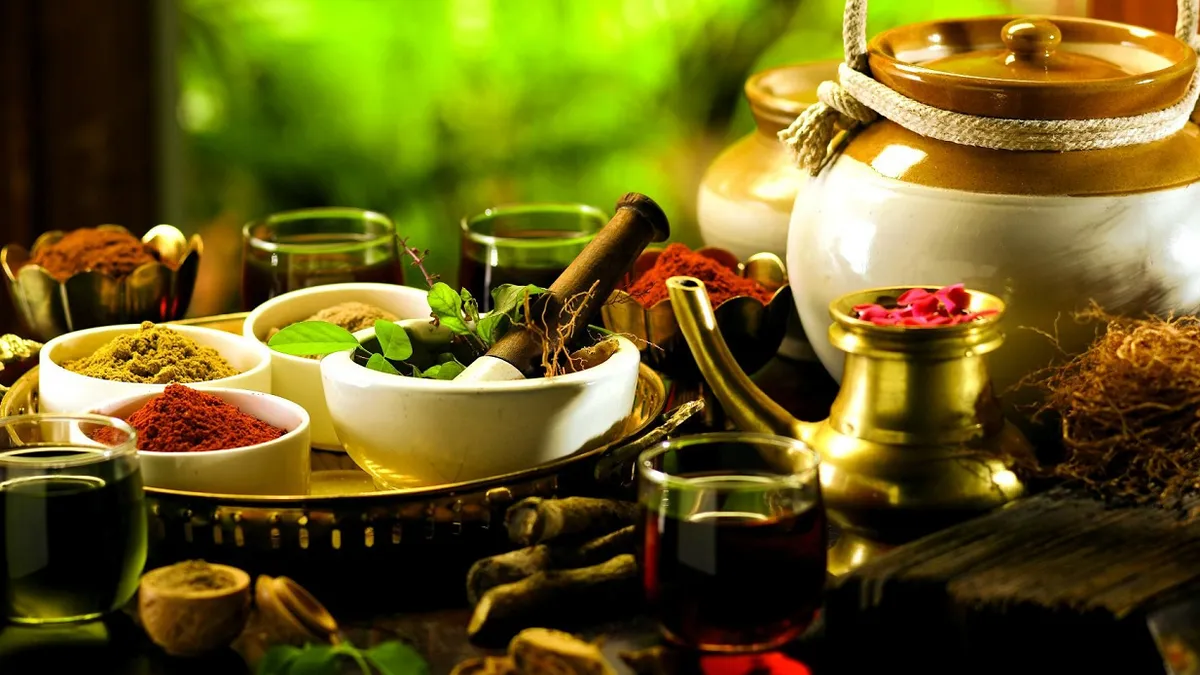
The term Shodhana comes from Sanskrit and means "purification" or "elimination". Imagine your body as a garden overrun by weeds: Shodhana acts like a gardener who pulls out the roots to restore its natural beauty. This method aims to expel toxins (called ama in Ayurveda) and imbalances of the doshas (Vata, Pitta, Kapha), the fundamental energies that govern our health according to this medicine.
When to Turn to Shodhana?
Shodhana is recommended in specific cases:
- Chronic illnesses : Such as arthritis or persistent digestive problems.
- Excess doshas : When you feel unusual fatigue, inflammation or dull skin.
- Frequent relapses : If your symptoms come back despite treatment.
- Weak digestion : When your system can no longer eliminate waste effectively.
The Techniques of Shodhana: Panchakarma in Detail
Shodhana is practised during Panchakarma, a five-step detoxification process carried out under the supervision of an Ayurvedic doctor. Here is an overview:
- Vamana : A therapy inducing controlled vomiting to eliminate excess Kapha (mucus).
- Virechana : A gentle purgation to clear Pitta (heat, acidity) through the intestines.
- Basti : Enemas made with medicinal herbs to balance Vata (nervous system, mobility).
- Nasya : Administering oils through the nose to cleanse the sinuses and the mind.
- Raktamokshana : A blood detoxification (with leeches) to purify the blood.
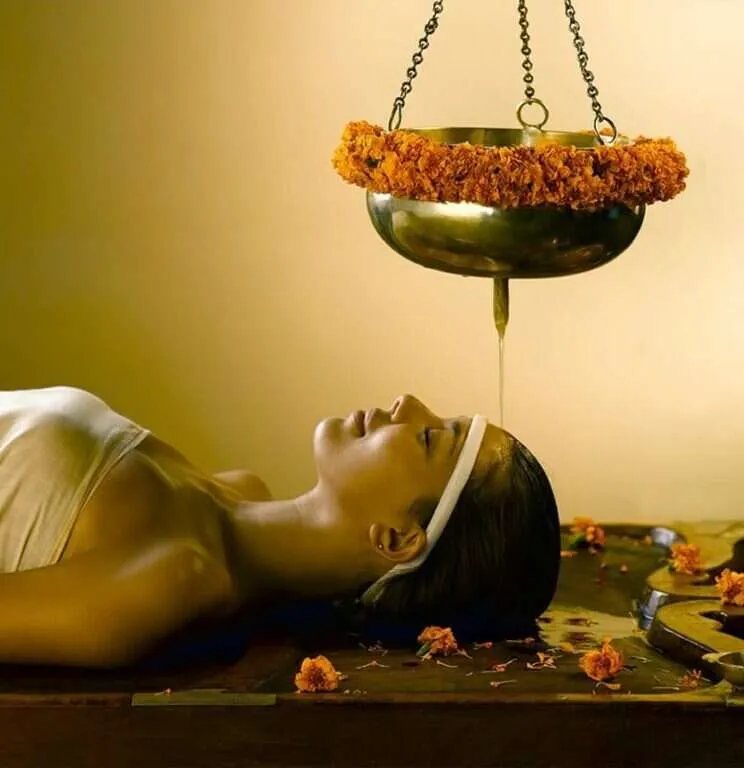
Before Panchakarma, preparatory steps such as oil massages (Snehana) and sweating therapies (Swedana) are essential to prepare the body. The process can last from 7 to 21 days, depending on your condition.
A Historical Anecdote
The sacred text Charaka Samhita, written about 2,000 years ago and revised around 300 CE, mentions Shodhana as a key to treating complex diseases. A famous passage (Sutrasthana 16.20) stresses that "success depends on order and wisdom in applying Shodhana".
Modern Evidence
A 2019 study published in the Journal of Ayurveda and Integrative Medicine showed that Panchakarma reduces markers of chronic inflammation (such as CRP) by 30% in patients suffering from prolonged stress, confirming its effectiveness.
Shamana: The Art of Calming and Supporting
What is Shamana?
Shamana, which means "soothing" or "pacification", is a gentler approach. Think of a warm blanket on a cold day: it does not cure the cold, but it comforts you. Shamana adjusts the doshas without eliminating them — ideal for mild imbalances or as a preparatory step.
When to Use Shamana?
- Moderate imbalances : For example, mild indigestion or passing stress.
- Fragile people : Children, older people or those convalescing.
- Preparing for Shodhana : To strengthen the body before an intense purification.
- Prevention : To maintain balance in daily life.
The Tools of Shamana
Shamana relies on accessible, natural practices:
- Diet : Vegetable soups, whole grains, dahl, kichari...
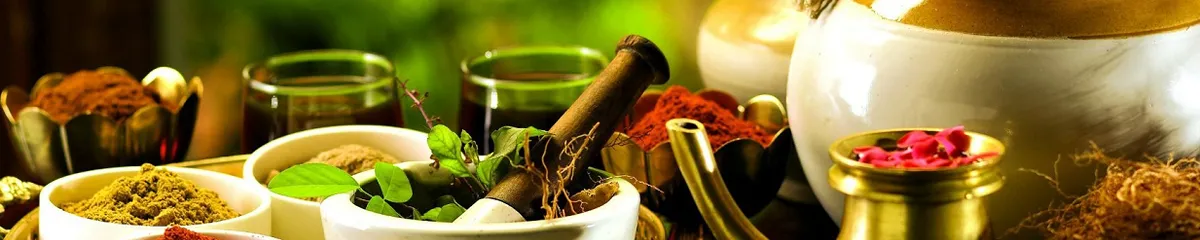
- Medicinal plants : Ginger for digestion, Triphala for regularity, or turmeric for inflammation (depending on the imbalances and the Ayurvedic profile).
- Lifestyle : Meditation, regular sleep and a daily routine (Dinacharya).
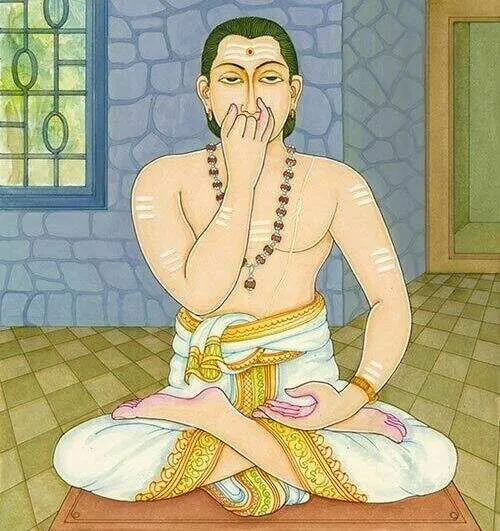
- Managing mind and emotions: meditation, yoga, pranayama (breathing exercises) to calm the mind.
These methods strengthen your vital energy (Ojas) while restoring harmony.
Shodhana and Shamana: A Complementary Dance
A Vivid Metaphor
Imagine a pan of milk boiling over on the stove:
Shamana: You turn down the flame to stop things getting worse.
Shodhana: You remove the excess milk to solve the problem at its source.
In Ayurveda, these two approaches are often combined. For example, a typical treatment may include:
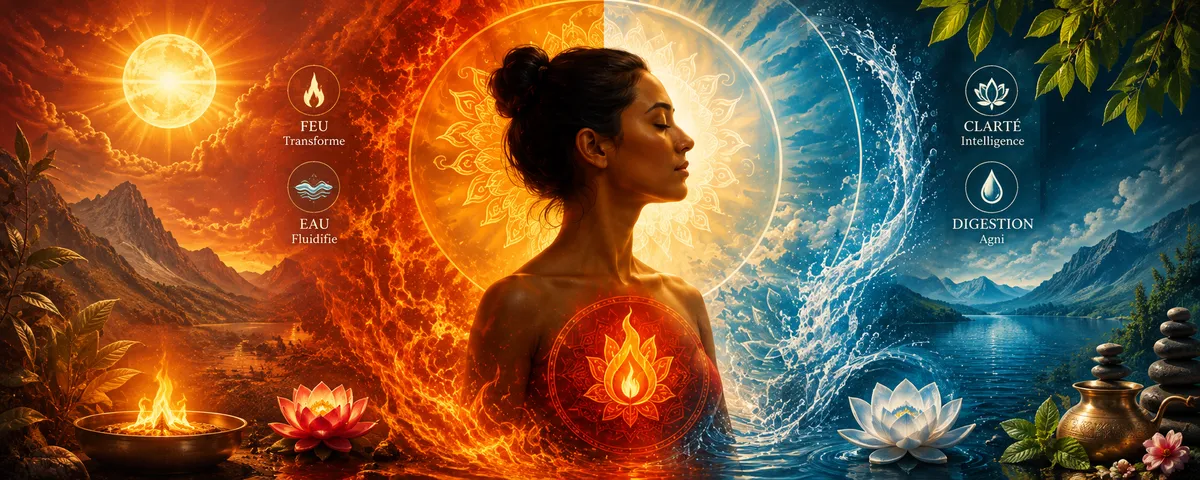
- Deepana-Pachana : Stimulating agni (the digestive fire) and improving digestion to digest the toxins.
- Snehana-Swedana : Massages and sweating therapies to open the channels.
- Shodhana : Purification through Panchakarma.
- Shamana : Maintaining balance with a suitable diet.
Why Does Ayurveda Differ from Modern Medicine?
Western medicine often relies on universal treatments (medication, surgery) to suppress symptoms, whereas Ayurveda looks for the underlying cause. A 2023 meta-analysis in Complementary Therapies in Medicine reveals that 70% of chronic diseases (diabetes, hypertension) are linked to unresolved imbalances, supporting the Ayurvedic approach of treating the roots.
Shodhana and Shamana for the Mind
These principles apply not only to the body, but also to the mind:
- Shamana : Meditate for 10 minutes a day or write down your thoughts to reduce anxiety.
- Shodhana : Go on a silent retreat or practise tapasya (gentle austerity) to release deep mental patterns.
A 2021 study in Frontiers in Psychology showed that meditation, a Shamana tool, reduces cortisol (the stress hormone) by 20% in 8 weeks.
How to Begin Your Ayurvedic Journey?
Simple Steps for Beginners
- Assess your condition : Note your symptoms (fatigue, digestion, stress).
- Adopt Shamana : Try a vegetable soup and 5 minutes of deep breathing every day.
- Consult an expert : An Ayurvedic practitioner can tailor a plan, especially for Shodhana.
Since Ayurveda is a very complex science, it is advisable to begin your healing path under the supervision of a certified professional.
Ready to Transform Your Health?
Ayurveda invites you on a personal journey towards balance.
Every small step counts and will lead you towards better overall health.
Contact me for personalised support or to plan a panchakarma cure in India.
Namaste
Françoise Barrios